When two families gather to celebrate a wedding, they bring together more than just two individuals—they unite entire lineages, cultural heritage, memories, and languages. In multicultural and Persian-American weddings, the ceremony stands as the emotional heart of this union. But how do you honor thousands of years of Persian heritage while ensuring that non-Farsi speaking partners, parents, and friends feel deeply embraced by every single word?
✨ Key Elements of an Exceptional Bilingual Ceremony
- Dynamic Pacing: Weaving languages organically without repetitive word-for-word translation.
- Poetic Resonance: Blending the classical music of Rumi, Hafez, and Saadi with lyrical English interpretations.
- Demystifying the Sofreh Aghd: Explaining ancient symbols—from the mirror to wild rue—so every guest understands their sacred beauty.
- Inclusive Participation: Guiding family members of all cultural backgrounds through interactive rituals like Kand-Sabi and the honey exchange.
1. Beyond Translation: The Philosophy of Bilingual Storytelling
The greatest pitfall in bilingual officiating is treating language as a mechanical subtitle. If an officiant reads a paragraph in English and then immediately translates the exact same sentence into Farsi, the rhythm stagnates, attention wanes, and the natural flow of the ceremony is lost.
True bilingual ceremony design is an art of intentional choreography. Farsi carries a lyrical cadence steeped in centuries of poetic metaphor, while English offers immediate clarity, conversational warmth, and direct emotional connection. By assigning specific narrative moments to each language—and bridging them with seamless transitions—both sides of the aisle remain completely immersed from the opening blessing to the final kiss.
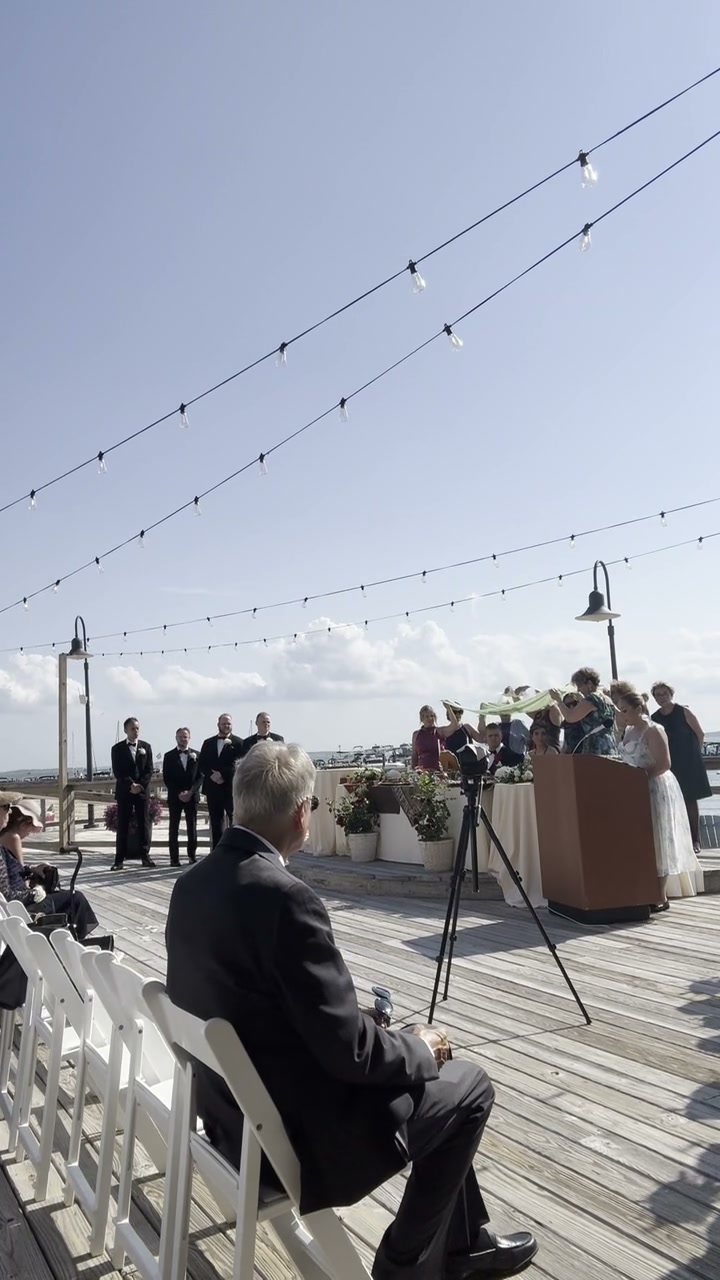
Watch: Elmira welcoming guests and establishing the cultural bridge in English during Nikki & Sam's waterfront ceremony.
2. The Living Poetry of Hafez, Rumi & Saadi
In Iranian culture, poetry is not merely literature—it is the language of the soul. No Persian ceremony is complete without invoking the timeless wisdom of the great mystics. During the ceremony, recited poetry serves as a spiritual anchor, inviting reflection on destiny, patience, and devotion.
"The minute I heard my first love story,
— Jalāl al-Dīn Muḥammad Rūmī
I started looking for you, not knowing
how blind that was.
Lovers don't finally meet somewhere.
They are in each other all along."
«ای در دل من میل و تمنا همه تو
— مولانا جلالالدین بلخی
وندر سر من مایهٔ سودا همه تو
هر چند به روزگار در مینگرم
امروز تویی و دوش تو، فردا همه تو»
When Elmira recites these verses in Farsi, the rhythm resonates deeply with Iranian elders and family members. Immediately following, she provides an evocative, romantic English reflection—not a dry word-for-word translation, but an artistic rendering that captures the emotional essence for everyone present.
3. Unveiling the Sacred Symbols of the Sofreh Aghd
The Sofreh Aghd (the wedding spread) is a customary Zoroastrian-rooted Iranian tradition dating back thousands of years. Spread on luxurious silk or cashmere textiles, every element upon the table is an emblem of blessings for the new couple's life:
- Aayeneh va Shamdan (Mirror & Candelabras): Symbolizing light, truth, and purity. As the bride enters, she is reflected in the mirror so the groom sees her beauty with clear vision and open eyes.
- Nabat (Rock Sugar Candy): Crystallized sugar representing the sweetness that will sweeten their home, conversations, and future days together.
- Noon, Paneer & Sabzi (Bread, Feta Cheese & Fresh Herbs): Embodying prosperity, sustenance, and the green freshness of renewal.
- Tokhm-e Morgh & Gerdou (Eggs & Walnuts): Symbolizing fertility, abundant blessings, and strong foundations.
- Espand (Wild Rue): Incense burned to ward off negativity, envy, and the evil eye (*cheshm-e zakhm*).
- Asal (Pure Wildflower Honey): Shared at the climax of the ceremony, where bride and groom dip their pinky fingers into honey and feed one another to pledge a sweet, nurturing lifetime.
4. Kand-Sabi: The Sugar Rubbing Ceremony
Perhaps the most visually stunning and joyful communal moment of a Persian ceremony is the Kand-Sabi. A canopy of pure white silk (Ghadifeh) is held over the heads of the bride and groom by happily married women in the family—mothers, sisters, aunts, and dear friends.
As the officiant recites blessings and poetry, two decorated sugar cones (Kalleh Ghand) are gently ground together over the cloth, showering the couple's heads and spirits with endless sweetness, grace, and happiness.
Watch: The Kand-Sabi sugar ceremony and traditional Farsi blessings officiated by Elmira Jafari.
5. The Three Inquiries: The Playful Art of the Consent ("Baleh!")
In traditional Persian nuptials, the officiant asks the groom for his consent once, and he answers promptly. But when the officiant turns to the bride, tradition calls for a delightful game of playful hesitation:
The first time Elmira asks for the bride's consent, a bridesmaid or family member chimes in: "Aroos rafteh gol bechineh!" (The bride has gone to pick flowers!). The second time, another voice smiles: "Aroos rafteh golab biyareh!" (The bride has gone to bring rosewater!). Only upon the third inquiry, after the groom presents a symbolic gift (Zir Lafzi), does the bride joyfully declare: «با اجازه پدر و مادرم و بزرگترها، بله!» ("With the blessing of my parents and elders, I do!").
When explained eloquently in English beforehand, non-Iranian guests eagerly anticipate these cues and burst into cheerful applause and traditional Khel-Khel trills when the bride finally gives her sweet consent.
6. Planning Your Bilingual Ceremony: Officiant Advice
Whether your wedding takes place on a sunlit waterfront deck in Maryland, an intimate vineyard in Northern Virginia, or a luxury destination ballroom in New York or California, executing a bilingual ceremony requires thoughtful planning:
1-on-1 Script Collaboration
Work with your officiant weeks in advance to balance personal vows with Persian traditions so every word reflects who you are as a modern couple.
Sound & DJ Coordination
Ensure wireless lavalier or handheld microphones are balanced with gentle traditional instruments (santur, tar, kamancheh) so spoken words remain pristine.
Rehearsal Walkthrough
Having your officiant lead the on-site rehearsal allows bridesmaids, parents, and canopy holders to practice their positions with complete serenity.
Ready to Craft Your Sweet Beginning?
Whether you envision an intimate garden Sofreh Aghd or a grand destination celebration, let us weave your story with poetry, elegance, and bilingual grace.
Inquire for Your Wedding Date →