
A traditional Persian wedding ceremony is a beautiful tapestry of spoken word, poetic verses, and deeply emotional family cues. However, nothing breaks the magic of a sacred moment faster than a microphone that cuts out, piercing audio feedback, or a music cue that accidentally drowns out the bride's final consent. Many couples do not realize that managing ceremony acoustics is a completely different discipline than running a high-energy reception dance floor. If your officiant and audio team are not in lockstep before the ceremony begins, those once-in-a-lifetime vows can easily get lost in the room.
✨ Essential Ceremony Audio & DJ Checkpoints
- Dedicated Ceremony Sound System: Separate directional speakers and wind-shielded wireless microphones tailored to outdoor gardens, waterfront decks, or grand ballrooms.
- Sofreh Aghd Mic Placement: Discreet handheld or lavalier microphones positioned so both the officiant's Farsi/English recitations and the couple's vows are crystal clear without obstructing photos.
- Synchronized Cue Sheet: Pre-aligned timing for the processional, sugar rubbing (Kand-Sabi) instrumental underscore, the three consent inquiries (Baleh!), and the celebratory recessional.
- Pre-Ceremony Soundcheck: A 20-minute acoustic check between the officiant and DJ before guests take their seats.
1. Why Ceremony Acoustics Differ from Reception Sound
Reception DJing is built around bass, energy, and filling a dance floor. A Persian Sofreh Aghd ceremony, by contrast, requires broadcast-grade vocal clarity. When reciting classical Farsi poetry by Hafez or Rumi alongside intimate English storytelling, every syllable and cadence matters—especially for elderly grandparents and non-Farsi-speaking guests following the narrative bridge.
I know the overwhelming ups and downs of wedding planning firsthand because I was a bride myself back in 2018. Shayan was the DJ for our wedding, and seeing how flawlessly he handled our audio logistics completely opened my eyes to what a true professional can do. Today, he is widely known as DJ Shamoudi, a beloved fixture for Virginia and DMV families who trust him with their most precious celebrations. Shayan acts as an audio logistics architect. Whether he is positioning wireless microphones to completely eliminate wind noise during outdoor ceremonies or meticulously balancing sound levels so everyone hears the delicate rustle of the sugar rubbing, he manages the background complexity so you do not have to.
2. Navigating Microphone Placement Around the Sofreh Aghd
Unlike a standard Western ceremony where the couple stands upright facing the officiant at an archway, a traditional Persian ceremony takes place seated before the Sofreh Aghd, surrounded by family members holding the silk canopy (Ghadifeh) for the sugar-rubbing ritual. This layout creates three unique acoustic needs:
- The Officiant's Primary Channel: A dedicated, interference-free wireless microphone EQ'd for warm vocal projection across both Farsi and English registers.
- The Couple & Bridesmaids' Responses: During the playful three-part consent ritual ("Aroos rafteh gol bechineh!"), guests in the back row want to hear the bridesmaids' witty replies and the bride's joyful "Baleh!" without awkward mic handoffs.
- Visual Elegance for Photography: Coordinating stand placement with your DJ and photographer ensures bulky black mic stands never block the mirror (Aayeneh) or the couple's faces in wedding portraits.
3. Synchronizing Music Cues with Bilingual Vows & "Baleh!"
In a well-choreographed Persian ceremony, music is not merely played at the beginning and end—it breathes underneath the ceremony. A skilled DJ gently fades in traditional Persian instrumental melodies (such as santur or kamancheh) at 15% volume during the Kand-Sabi sugar ceremony, swells the music at the exact second the bride says "Baleh!", and lowers it again for the personal ring exchange and honey ceremony (Asal).
4. Building a Collaborative Vendor Team
The ultimate solution to a flawless, stress-free wedding day is hiring an audio expert who values proactive collaboration with your officiant. When the person holding the microphone and the person behind the soundboard synchronize ceremony scripts beforehand—as we do in all of our Nabat Ceremony Collections—the transitions between blessings, traditional music, and legal vows become entirely effortless. You deserve a vendor team that protects your peace of mind so you can focus entirely on the emotion of the day. If you are ready to build a dream team for your celebration, we highly recommend reaching out to DJ Shamoudi to view his work, or reading our complete guide to the bilingual Persian wedding ceremony.
Follow The Nabat Journal
Stay updated with our latest ceremony guides, cultural tips, and vendor spotlights.
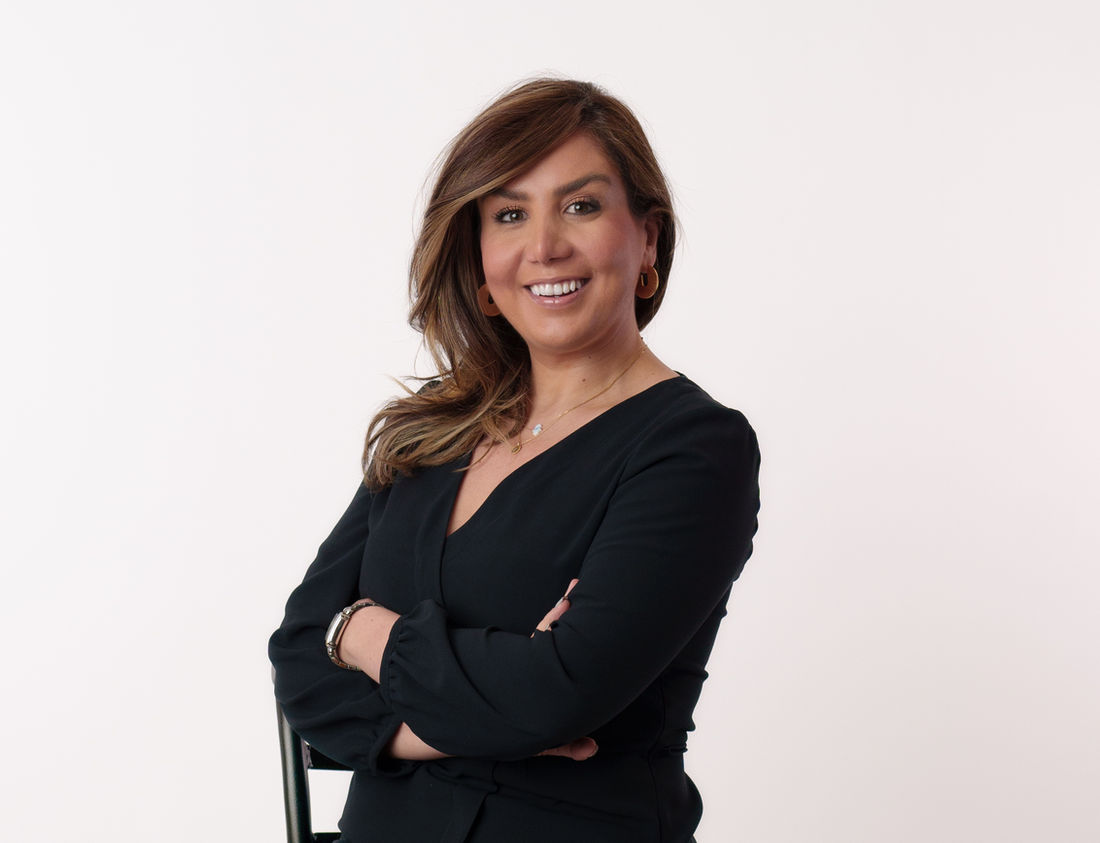
About Elmira Jafari
Elmira is an award-nominated journalist, filmmaker, and the founder of Nabat Persian Weddings. Based in Northern Virginia and serving the DMV and destinations worldwide, she collaborates closely with planners and DJs to deliver seamless bilingual Persian wedding ceremonies.
Let's Collaborate
Are you a wedding vendor or venue owner looking to collaborate or feature your business on our blog? We love connecting with fellow industry professionals. Get in touch with Elmira to discuss how we can partner for future events and create seamless experiences for our couples.